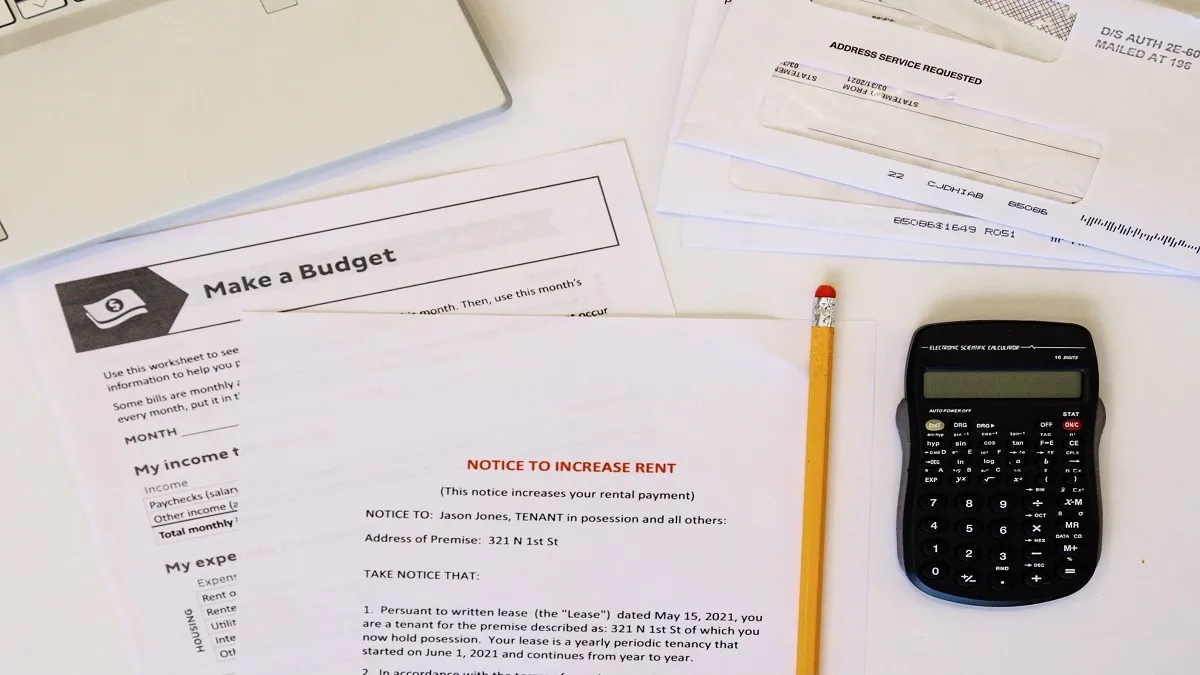

Bookkeeping is often seen as an avoidance for many business owners, they know it needs to be done but it’s always subject to procrastination. For business owners, the main focus has always been clients, sales, and deadlines. For them, numbers can wait, but that’s not how it should be.
Those small delays, such as putting off categorizing expenses, skipping a few entries, not double-checking totals, turn into bookkeeping mistakes. Over time, those mistakes don’t just stay in your records, they show up in your taxes. That is where IRS audit risks begin to creep in.
A lot of entrepreneurs assume audits only happen when something extreme is going on. In reality, it’s often much more ordinary than that. Messy accounting, inconsistent reporting, or numbers that do not make sense can all act as IRS red flags for small business.
This blog details bookkeeping issues that increase audit risks, IRS penalties for inaccurate financial records and why bookkeeping matters for taxes.
Why bookkeeping Matters For Taxes
Bad bookkeeping consequences are not solely for big companies. Any business, regardless of size, can be subject to IRS audit risks because of bookkeeping errors.
Filing tax returns requires that you have records for each transaction, relying on memory is not enough. Remember that your tax returns will be incorrect if your books are inaccurate. This is because the income and expenses you record come straight from your books.
With accurate records, your tax filings go by smoothly without any stress. Inaccurate bookkeeping risks being flagged by the IRS, resulting in penalties or audits.
Bookkeeping Mistakes That Trigger IRS Audits
Some issues show up again and again in audits. Not because business owners are trying to get away with something, but because these are easy traps to fall into. Some bookkeeping issues that increase audit risk are:
- Mixing Personal With Business Accounts: Using the same bank account and credit card for household and business transactions, or transferring money back and forth may see normal at first. However, without proper records, it can become difficult to explain these transactions and identify which one of these are business related.
- Incomplete Documentation: If documentation is incomplete or missing such as receipts and invoices or unclear expenses can add up eventually. From the IRS perspective, uncertainty or lack of clarity on certain transactions is something they definitely will not ignore. These bookkeeping errors are one of the most crucial bookkeeping issues that increase audit risk.
- Numbers aren’t aligning: When numbers don’t align, such as reported income with bank deposits, it gets highlighted immediately by the system. Any mismatch is difficult to explain or brush off as an oversight. This is one of the quickest bookkeeping mistakes that trigger IRS audits.
Sometimes, tax deductions that seem disproportionately high to income can attract attention. This doesn’t mean you’ve done something wrong, but it can trigger an audit. While the intention is legitimate, this still falls under IRS red flags for small business.
- Payroll Classification: If you classify your employee as a contractor, or not keeping proper payroll records, the chances of IRS audit risks increase.
One of the biggest misconceptions is that audits come from one big bookkeeping error. This isn’t always the case. Certain patterns such as a few small inconsistencies over a period, or a category that does not make much sense can attract scrutiny.
The Unspoken Bad Bookkeeping Consequences
Bookkeeping errors can lead to audits, but that is not the only problem. Bookkeeping mistakes can lead to increased stress, especially during tax season. You need to dig in to your records, emails, old statements, and hope you have not missed anything.
Further to the mental side, there is also a financial impact of bookkeeping errors. There is a possibility of missing important tax deductions, meaning you end up paying more tax, or you may end up paying extra to fix those mistakes later. It doesn’t end there, you may end up missing out on payment deadlines or forget to follow up on receivables, which can affect your cash flow.
Inaccurate bookkeeping risks increase the chances of making ill-informed decisions that can put your business a step back. You may believe your business is performing better or worse than forecasted, enabling incorrect decision-making. When books are inaccurate, you may hesitate to invest, or spend freely, and you may end up with incorrect product costs and pricing that could affect your bottom-line negatively.
In some cases, you may have to deal with IRS penalties for inaccurate financial records, adding up to the frustration. If your inaccurate records leads to underpayment of taxes, the IRS can apply penalties, simply because the information provided was incorrect. Remember, your intentions may be clean, but correct numbers are what matters. These penalties can grow with interest charges too, spiking the financial cost to your business due to bookkeeping mistakes.
How To Avoid Bookkeeping Mistakes
- Consistency: Regularly update your books to avoid skipping or forgetting certain transactions that have occurred during the week. Try to take out some time every week to update your accounts.
- Separating Accounts: Business and personal accounts need to be maintained separately. Try not to mix personal with business transactions.
- Review: Regularly review your records. This can help identify any bookkeeping errors early on, ensuring your books are accurate.
- Documentation: Organize your receipts, invoices, payments, bank statements and any other documents. These are the source of every transaction, without which you may not have an audit trail. By digitizing your records, you can have access to your documents at any time of the day, and from anywhere on the go.
- Automation: Modern cloud accounting software can reduce human error and ensure books are tax-ready.
- Outsourcing: Not everyone is an expert in bookkeeping. As easy as it may seem, you need to take out time which may already be scarce. Even with ample time, bookkeeping errors are inevitable, it can happen to the best as well. That is why many business owners prefer to outsource their bookkeeping services to professional accounting services to reduce stress and increase efficiency. You gain access to cloud accounting services, financial dashboards in real-time and the support and guidance of experts. With accurate books, the probability of IRS audits reduces significantly.
AccountiPro: Your Trusted Bookkeeping Partner
Poor bookkeeping rarely feels urgent in the moment, so it is always easy to ignore. Unfortunately, those small bookkeeping mistakes trickle in to your reported taxes. Most IRS audit risks come from these inconsistencies and gaps that occur because of bookkeeping errors.
Luckily, AccountiPro is here to help. Our team of highly qualified and experienced accountants ensure that your books are up-to-date, accurate and tax-ready. With the support of cloud accounting tools such as QuickBooks and years of experience dealing with several industries, we can help you in making data-driven business decisions for long-term business success. Give us a call today so that we can free you from the stress of tax season and set your business up for steady and sustainable growth.