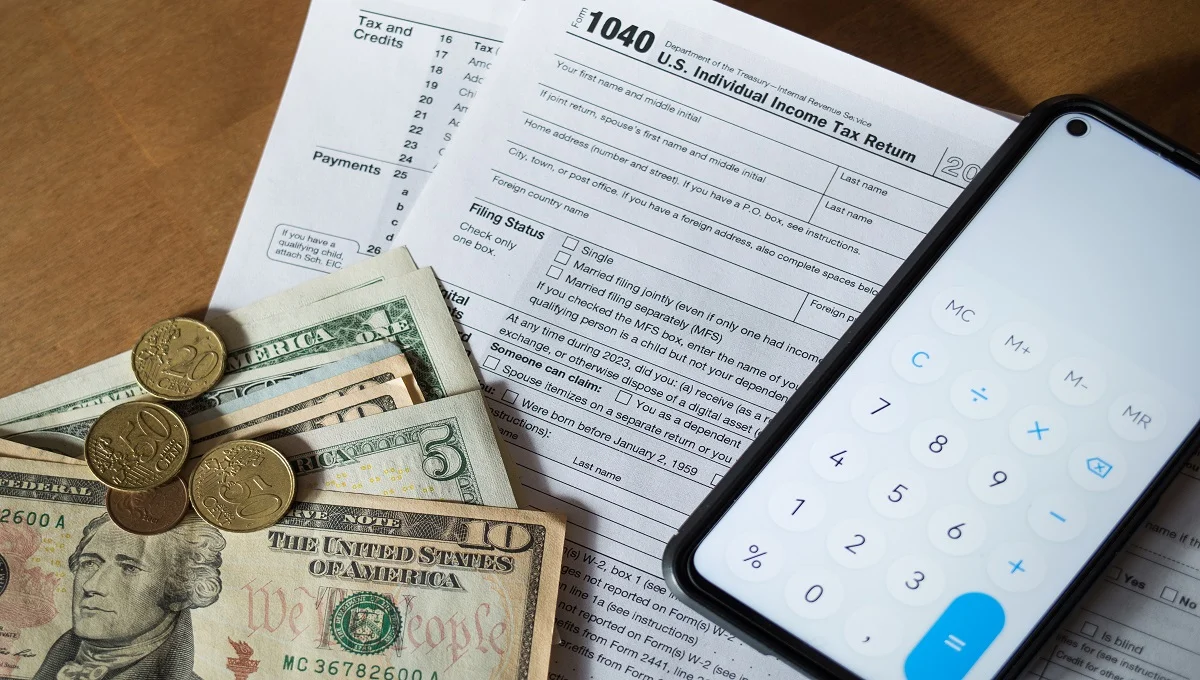
Restaurant accounting isn’t just about calculating and analyzing the profitability of the business, it goes far beyond that. Owners need to ensure accurate systems are in place to not only protect profits, but to also ensure compliance with state and federal laws as well as maintain employee trust.
While it may seem straightforward, how to account for tips in restaurants along with payroll and service charges can prove to be complex. Small errors can result in employee disputes and legal penalties.
The following text will help in understanding restaurant tip accounting, the difference between tips and service charges accounting and several other relevant matters that need to be mastered.
Understanding the Basics of Restaurant Tip Accounting
Tips account for a significant portion of the income of restaurant employees. Tips received from customers need to be handled with utmost care from both a compliance and accounting point of view. The following must be noted regarding tips:
- Tips are paid voluntarily by customers and belong to the employees, not the restaurant
- Tips are considered taxable income, so it must be reported and included in payroll calculations.
Tips could be paid in cash or through a credit card and processed via the POS system. Whatever the case, any type of tip received requires accurate tracking to ensure proper restaurant tip accounting.
How to Account for Tips in Restaurants
Restaurant tip accounting starts with consistent reporting and documentation. Some best practices to be implemented internally and clearly taught to employees include:
- Collect tip reports daily
- Entering and reporting tips into the payroll system
- Cash tips are not handled by the restaurant, rather its employees. Employees must be required to report all tips including cash tips.
- Maintain clear records for audit purposes
When dealing with credit card tips, keep note of the following:
- Credit card tips are tracked automatically through the POS system
- Tips are recorded as a liability until paid to employees
- Tips can be paid in cash or through payroll and must be recorded.
Whether tips are received in cash or through credit cards, they must not be included as revenue for the restaurant and must be kept separate from sales.
Restaurant Tip Reporting Compliance
Restaurant tip reporting compliance requires strict attention as it is closely monitored by tax authorities. Employers are responsible for the following:
- Ensuring and training employees to report all tips and submit tip reports on time
- Withholding federal, state and local income taxes
- Withholding Social Security and Medicare taxes
- Filing payroll and taxes accurately
There are several ways that restaurant tip reporting compliance can be improved. These include:
- Making use of POS systems that integrate with payroll software
- Standardize tip reporting procedures
- Train managers and staff on the importance of tip compliance and the rules that need to be adhered to
- Maintain detailed documentation and audit trails
Strong restaurant tip reporting compliance practices reduce the risk of audit and protect both the business and its employees.
Restaurant Payroll Accounting Explained
Fluctuating income especially due to tipped wages makes restaurant payroll accounting more complex than standard payroll. Payroll for restaurant staff generally include an hourly wage, tip income, overtime, taxes along with deductions and benefits.
While the minimum wage rate needs to be followed, some jurisdictions may allow a lower base wage for tipped employees provided total earnings including tips at least match the minimum wage. This requires careful monitoring by the restaurant of employees earnings.
In case employee minimum wage is not met, the gap must be filled by the restaurant. This increases the need for restaurant managers to maintain detailed payroll records.
What Are Service Charges in Restaurants
Tips and service charges are often treated the same although there is a vast difference between tips and service charge accounting for restaurants. Service charges are:
- Fees added to customer bills and are not voluntarily paid by customers. Hence they do not qualify as tips.
- Generally a percentage of the total sale value
- Considered restaurant revenue
- Automatic gratuities for larger parties where restaurants may charge when guests exceed a certain limit per table
- Delivery or administration fees
Difference Between Tips and Service Charge Accounting For Restaurants
The difference between tips and service charges accounting is critical to understand. Some of the key distinctions include:
- Tips belong to employees while service charges belong to the restaurant
- Tips are not recorded as restaurant revenue while service charges are
- Tips are employee income reported through payroll
- Distribution of service charges are treated as wages and are fully subject to payroll taxes
Understanding the difference is essential to prevent distortion of financial statements and compliance issues.
Some best practices to consider regarding service charges are:
- Clearly define service charges in written policies
- Communicate policies clearly to staff
- Recording service charges as revenue at the time of sale
- Maintain separate accounts for service charge revenue
- Review service charge reports regularly
Best Practices for Managing Tips, Payroll and Service Charges
- Use POS systems that track tips accurately
- Integrate POS data with payroll software
- Require consistent tip reporting
- Conduct regular payroll reviews
- Separate tips, wages, and service charges in accounting
- Training of staff and strong documentation to ensure long-term compliance
- Track time accurately for payroll processing – avoid using manual time cards
- Calculate carefully all payments to be made to staff ensuring they all at least match the minimum wage rate
- Do not forget to apply deductions and withholding taxes
Common Mistakes To Avoid
Restaurants often encounter problems when processing and recording tips, service charges and payroll. Some common mistakes include:
- Treating service charges as tips
- Failing to record cash tips
- Missing tax deadlines
- Misapplying tip credits: Without proper documentation, you may be unable to prove tip credits meaning that you will be liable to pay the difference plus penalties
- Ignoring overtime implications
- Underreporting payroll taxes
- Worker Misclassification: Classifying workers as independent contractors can lead to huge penalties
- Manual Calculations: This results in human error. Make use of accounting software, rather than manual work to avoid inaccuracies.
Outsourcing Your Accounting
Restaurant tip accounting can be frustrating for business owners. This is why many prefer to outsource to experienced accountants that can ensure restaurant tip reporting compliance, as well as accurate payroll and service charge accounting. Outsourcing relieves the burden from administrative staff who can now divert their attention to other crucial business functions. Strong accounting processes form the foundation of a restaurant destined to thrive for the long run.