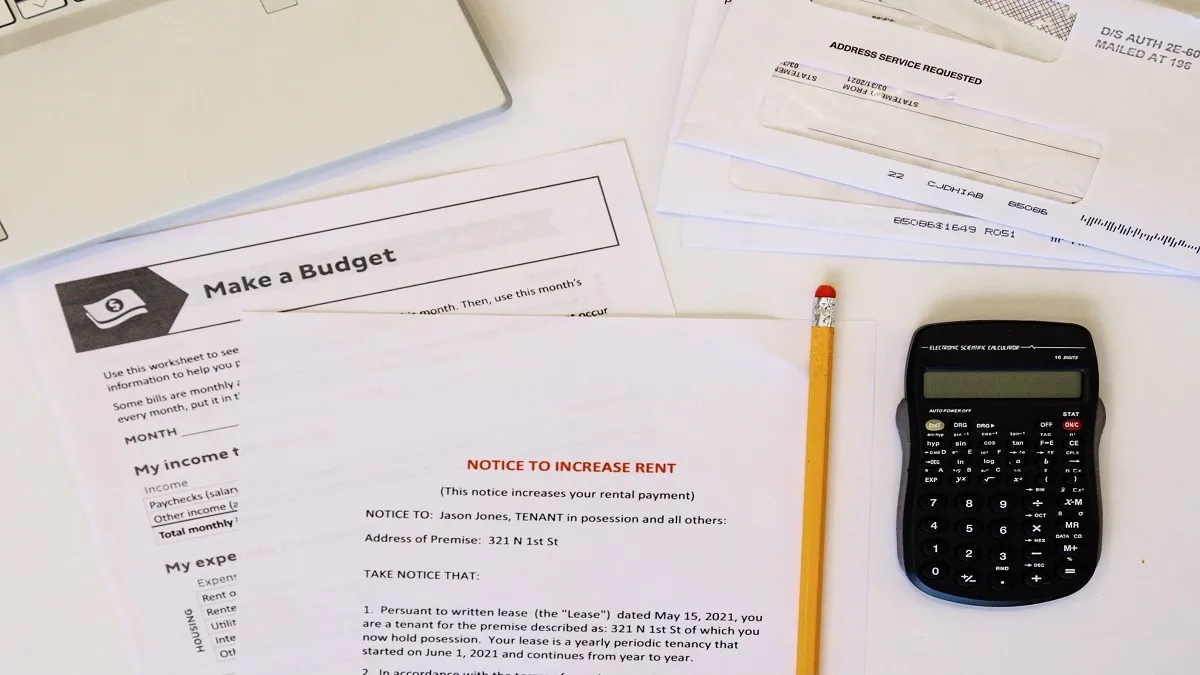

Taxes are anything but exciting. You wouldn’t hear any entrepreneur saying they’re excited about taxes this year. The answer is simple, taxes are far from fun. They normally bring stress, especially when you have messy books.
You push it aside. You tell yourself you’ll handle it later. There’s always something more urgent on your checklist; clients, orders, payments, problems that feel more immediate.
Then suddenly, a deadline is right in front of you. That’s how most issues with business tax deadlines start. Not from lack of effort, but from timing. Things pile up quietly, and by the time you look at them, it’s already stressful.
The thing is, taxes don’t actually have to feel like that. They’re predictable. The dates don’t change much. What makes them difficult is how they fit into everything else you’re doing.
So instead of treating them like a once-a-year problem, it helps to understand how they’re spread out. That’s where a proper business tax deadline calendar, a clear view of tax deadlines by entity type, and a working business tax checklist come in.
We’ll also go through estimated tax payment deadlines, because those tend to catch people off guard, and some very common bookkeeping mistakes that trigger tax problems, the kind that seem small at first but create bigger issues later.
Why Deadlines Sneak Up
Most business owners already know tax deadlines exist. It’s not a knowledge problem. It’s a timing problem. You might even remember that something is due in March or April. However, knowing that in a general sense is very different from being ready when the actual date arrives.
Life doesn’t pause because of tax season. Work keeps coming in. Expenses don’t slow down. If your bookkeeping isn’t updated regularly, everything feels harder than it should.
In short, deadlines don’t just arrive. They collide with everything else. That’s why an organized structure helps, just enough to keep things from getting messy.
Tax Deadlines by Entity Type
If there’s one place people get confused, it’s here.
Not all businesses follow the same deadlines. And if you assume they do, you can easily miss something important. Your tax deadlines by entity type depend on how your business is set up.
Sole Proprietors:
This is the simplest form of business. There’s no legal line between you and your business. From a tax perspective, it’s all one.
- Filing deadline: April 15
- Filed with your personal return using Schedule C
It sounds easy, and in some ways it is. It also means everything depends on your own records. If those aren’t clear and are messy or unorganized, you’re in trouble. It might make sense to outsource your taxes to a professional bookkeeping service.
Partnerships:
Partnerships add another layer. The business reports income, but it doesn’t pay income tax directly. Instead, profits are passed to partners.
- Filing deadline: March 15
- Form used: Form 1065
- Partners receive Schedule K-1
That March deadline matters more than people expect. If it’s delayed, everyone involved feels it.
S Corporations
S corporations follow a similar flow-through model, but the structure is stricter.
- Filing deadline: March 15
- Form used: Form 1120-S
- Shareholders receive Schedule K-1
There’s less flexibility here. Mistakes tend to ripple outward, especially if multiple shareholders are involved.
C Corporations
C corporations are treated separately from their owners. They pay their own taxes.
- Filing deadline: April 15 (for calendar-year businesses)
- Form used: Form 1120
If you’re using a fiscal year instead of a calendar year, the deadline shifts. That is something people easily forget surprisingly often.
LLCs
LLCs don’t have a fixed tax identity, which is both useful and confusing.
They follow whichever tax treatment they’ve chosen:
- Single-member LLC → same as sole proprietor
- Multi-member LLC → same as partnership
- LLC taxed as S corp → follows S corp deadlines
So your deadline depends on your election, not just your structure. If you’re unsure, it’s worth checking before things get busy.
What a Business Tax Deadline Calendar Actually Looks Like
Instead of memorizing dates, it helps to see how things flow through the year. A business tax deadline calendarisn’t just about reminders. It’s about spacing your work so nothing turns into a last-minute rush.
January:
You might still be recovering from year-end, but tax work starts here.
- Prepare W-2s
- Send out 1099s
It’s mostly paperwork, but it sets the tone. If this part is rushed, small mistakes carry forward.
March: The First Real Deadline
March 15 tax deadline arrives faster than expected. Partnerships and S corporations need to file by now. If your records aren’t ready, this becomes stressful very quickly.
April: Everything Comes Together
April 15 small business tax deadlines are very important.
- Sole proprietors file
- C corporations file
- First estimated payment is due
This is where preparation or lack of it shows.
June and September:
These months don’t feel like tax season, which is why they’re easy to ignore.
- June 15 → second estimated payment
- September 15 → third estimated payment
Missing them doesn’t feel urgent at first. But penalties build in the background.
December: Cleaning Up
December isn’t about filing. It’s about fixing things. You review your books. Catch errors. Make sure everything is complete before the year ends. Skip this step, and the next year starts heavier than it should.
Estimated Tax Payment Deadlines
If your business earns steadily, you’re expected to pay estimated tax payments during the year. These are your estimated tax payment deadlines:
- April 15
- June 15
- September 15
- January 15 (next year)
Here’s the part that catches people off guard. Even if you pay everything later, you can still be penalized for not paying earlier. That’s why these dates matter.
A Business Tax Checklist That Feels Usable
A good business tax checklist should feel practical, something you can follow without overthinking. Small business tax guidelines should always be understood and followed. Your checklist should include the following:
Income
- Sales records
- Bank deposits
- Payment platform summaries
Numbers should line up. If they don’t, that’s the first thing to fix.
Expenses
- Receipts
- Rent
- Utilities
- Software subscriptions
Individually, they seem small. Over time, they accumulate quicker than you expect.
Payroll
If you have employees:
- Wages
- Payroll taxes
- Benefits
Mistakes here tend to be expensive, so take your time.
Assets
- Equipment
- Vehicles
- Office purchases
Some of these are deducted over time, not all at once.
Previous Records
Last year’s return helps more than most people think. It gives you a reference point.
Financial Statements: The most common financial statements for businesses are:
- Profit and Loss
- Balance Sheet
- Cash Flow Statement
Tax Documents:
You’ll need the following:
- W-2s
- 1099s
- Bank statements
- Credit card records
- Loan details
All you need is a consistent system. If you can find what you need without stress, you’re doing it right.
Small Business Tax Deadlines Hit Differently
If you’re running a small business, you are already handling multiple roles at once. There’s no separate department for taxes. You’re most likely doing your taxes yourself.
That’s why small business tax deadlines feel heavier. It’s not the deadlines themselves. It’s everything around them. Things get delayed. Records fall behind. Then everything has to be done at once. That’s where the pressure comes from.
Bookkeeping Mistakes That Trigger Tax Problems
Most issues don’t come from one big error. They come from small habits that build over time. Here are some common bookkeeping mistakes that trigger tax problems:
Mixing Personal and Business Money: It starts small just to ‘save time’. Then it gets confusing and you suddenly have to separate all those transactions that were mixed to save you time. Separate accounts fix this early on.
Not Updating Records Regularly: Leaving everything for later rarely works. Details fade and you start to forget what those numbers were for. You may even forget to record certain transactions. That’s where mistakes start. Guessing never helps, being close enough isn’t always enough. Accuracy matters more than convenience.
Losing Receipts: No receipt means no proof. Without proof, deductions can disappear. Also, without receipts, you can’t even prove why you deducted a certain expense or why you chose to categorize a transaction in some way.
Ignoring Small Expenses: They don’t feel important. Over a year, they add up more than expected.
Skipping Estimated Payments: It’s easy to delay or forget about these, but they can cost you.
Keeping It Manageable
You don’t need a perfect system. You need one you’ll actually use. Check your numbers monthly. Keep documents in one place. Set reminders for key dates. That alone solves most problems.
AccountiPro: Your Tax Compliance Outsourcing Partner
Taxes are there till the end, so managing how you handle it matters the most. Issues in your taxes, delaying, or even forgetting about business tax deadlines can cost you.
Having a proactive approach from early on can be beneficial. By outsourcing your taxes to professional accounting services like AccountiPro, you no longer need to stress about a business tax checklist, business tax deadlines or estimated tax payment deadlines.
We, at AccountiPro, handle all that for you. By organizing your messy books, we are able to maximize tax deductions and minimize tax payments for you. Contact us now to discuss how we can lighten the burden and stress of tax season by handling your books and freeing you up to focus on what matters most.