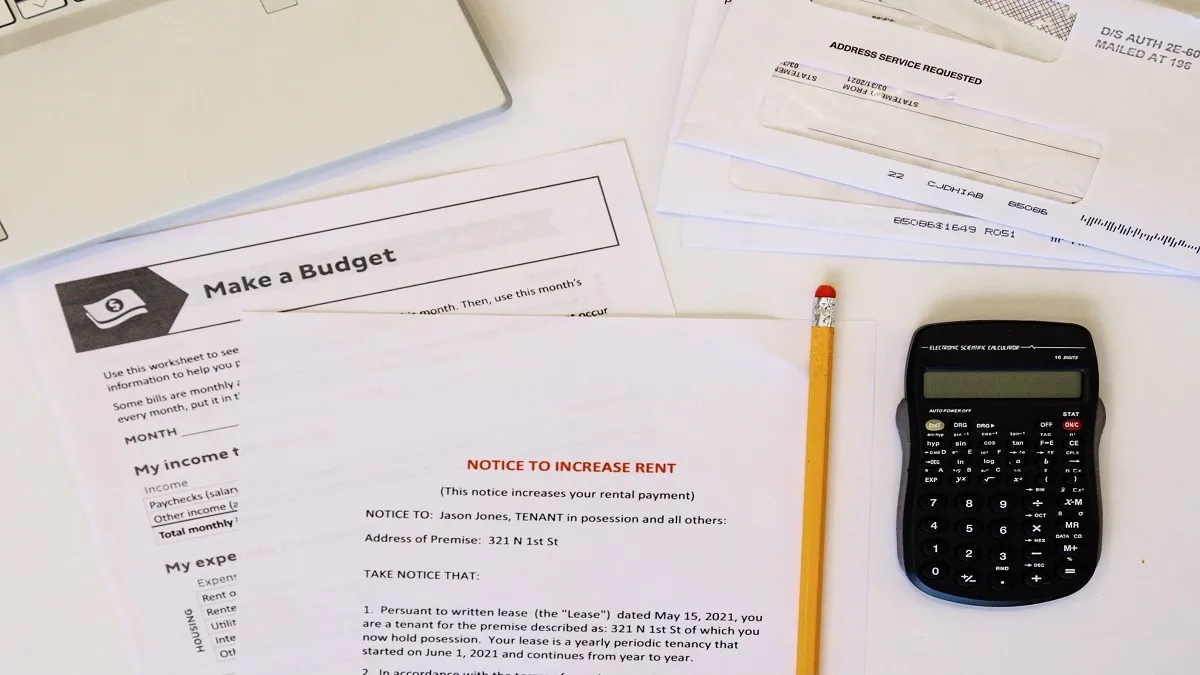

When creating a startup, you are balancing product development, marketing, hiring, funding, and a dozen fires that need attention immediately. With so much to do, accounting is often at the bottom of the priority list. But ignoring financial processes early on will lead to mistakes that cost startups money, slow growth, and start compliance problems. All founders who want to create a sustainable and investor-ready business need to know what common accounting mistakes are, when they happen, and how to avoid them before they become unaffordable problems.
Below are the top accounting mistakes startups make, why they happen, and how to prevent them.
Mixing Personal and Business Finances
To avoid the startup accounting mishap of using personal accounts for business expenses, it might seem inconsequential in the beginning, but it becomes a bookkeeping and tax nightmare very quickly.
Why it’s a problem
- Complicates expense tracking
- Creates inaccurate financial reports
- Raises red flags with investors and tax authorities
- Makes it harder to claim deductions
How to avoid it
- Open a dedicated business bank account and business credit card
- Use accounting software that syncs with your bank
- Reimburse yourself through proper documentation rather than paying directly
Poor or Delayed Record-Keeping
Startups often underestimate the bookkeeping process in real time. You’ve got tons of receipts you haven’t recorded, invoices that haven’t been checked, and you are only relying on memories rather than actually documenting.
Consequences
- Missed deductions
- Inaccurate cash flow projections
- Difficulty preparing financial statements
- Higher accounting costs due to cleanup work
Startups are generally allowed to deduct up to a certain amount of initial expenses in the first month and transfer the remainder of the allowable start-up expenditures over time. Tax deductions decrease your taxable income and increase your cash flow, which is extremely valuable in the early days of your startup company.
Fix it early
Create a simple system in QuickBooks, Xero, Zoho Books, or Wave. Document your expenses weekly, automate recurrences, and keep copies of your receipts online. Good records are crucial to your tax planning, your fundraising, and your decision making.
Failing to Track Cash Flow Accurately
Many startups focus on revenue and forget about cash flow, the most important measure. You can be profitable on paper and still be low on cash.
Common cash flow mistakes include:
- Overestimating future revenue
- Not tracking burn rate
- Ignoring payment delays from clients
- Overspending on non-essentials
How to stay on track
- Maintain a 12-month cash flow forecast
- Review your burn rate monthly
- Set clear payment terms with clients
- Use automated invoicing to reduce late payments
Cash flow mismanagement is one of the biggest accounting mistakes, and startups often fail to recognize it until it’s too late.
Not Hiring an Accountant Early Enough
Many founders think they will save money by doing accounting themselves. But do-it-yourself bookkeeping often leads to mistakes that cost way more than using an accounting professional.
Why it matters
- Professionals understand tax rules and compliance
- They help structure finances correctly from day one
- They provide accurate financial statements needed for investors and banks
You don’t need a full-time accountant in the early stage, but hiring a part-time bookkeeper or outsourcing accounting ensures accuracy and scalability.
Misclassifying Expenses
Startups usually misclassify expenses by lumping capital expenses in with operating expenses or mistakenly recording the cost of goods sold (COGS).
Risks include:
- Overstated or understated profits
- Incorrect tax filings
- Errors in financial reports used for fundraising
Best practices
- Follow proper accounting standards (GAAP or IFRS)
- Use predefined categories in accounting software
- Have an accountant review your chart of accounts annually
Ignoring Tax Obligations
Startups also leave tax obligations unmet until the last minute. This tax procrastination can lead to penalties, missed deductions, or painful cash flow.
Common tax mistakes include:
- Not paying quarterly estimated taxes
- Misunderstanding tax-deductible items
- Missing R&D tax credits
- Not registering for sales tax when required
Avoid these issues by:
- Setting calendar reminders for tax deadlines
- Working with a tax professional
- Keeping detailed receipts and financial reports
Not Reconciling Bank Statements Regularly
Bank reconciliation is the process of ensuring that your records are consistent with actual activity in your accounts. Failure to do this can lead to severe discrepancies.
Without reconciliation, you may:
- Miss unauthorized transactions
- Overlook bank fees
- Duplicate entries
- Misreport revenue or expenses
Reconciling monthly (or weekly during high-volume periods) keeps your books accurate and audit ready.
Overlooking Accounts Receivable and Payable Management
Another common mistake is a startup waiting too long to send invoices or failing to remember to follow up on a pending payment. On the other side, they also miss due dates on vendor bills, leading to late fees.
To fix this:
- Automate invoicing and reminders
- Monitor aging reports
- Establish approval workflows for payables
- Negotiate better payment terms with vendors
Managing both receivables and payables properly can improve cash flows and provide a better overall financial position.
Not Preparing Financial Statements
Some founders use a bank balance as their only source of a financial health assessment. Depending on just a bank balance is very dangerous.
You need three essential statements:
- Income Statement: Shows profitability
- Balance Sheet: Shows assets, liabilities, and equity
- Cash Flow Statement: Shows actual money movement
These statements help with forecasting, investor pitches, budgeting, and strategic planning for all founders.
Ignoring Compliance and Legal Requirements
Startups need to maintain compliance with local, state, and federal laws. Common compliance failures include:
- Missing annual reports
- Not maintaining proper records for audits
- Failing to issue 1099s or W-2s
- Not updating business licenses
Non-compliance often leads to penalties and can destroy credibility with investors.
Avoid it by:
- Keeping a compliance calendar
- Using tools like Clerk, Avalara, or Tax Jar
- Consulting a legal or compliance expert
Final Thoughts
It's important for every founder to know and avoid accounting mistakes with the goal of growing a financially healthy and scalable business. Startups can't afford to make mistakes that cost them money or damage their reputation, particularly when investors expect clarity and accuracy.
Making good records, controlling cash flow, hiring accounting resources, planning for taxes, and staying compliant will all put your startup on a pathway to growth and stability. These same financial principles will not only mitigate mistakes but will also give a startup an edge over the competition.